
What questions do you have about the 2026 elections? What major issues do you want candidates to address? Let us know.
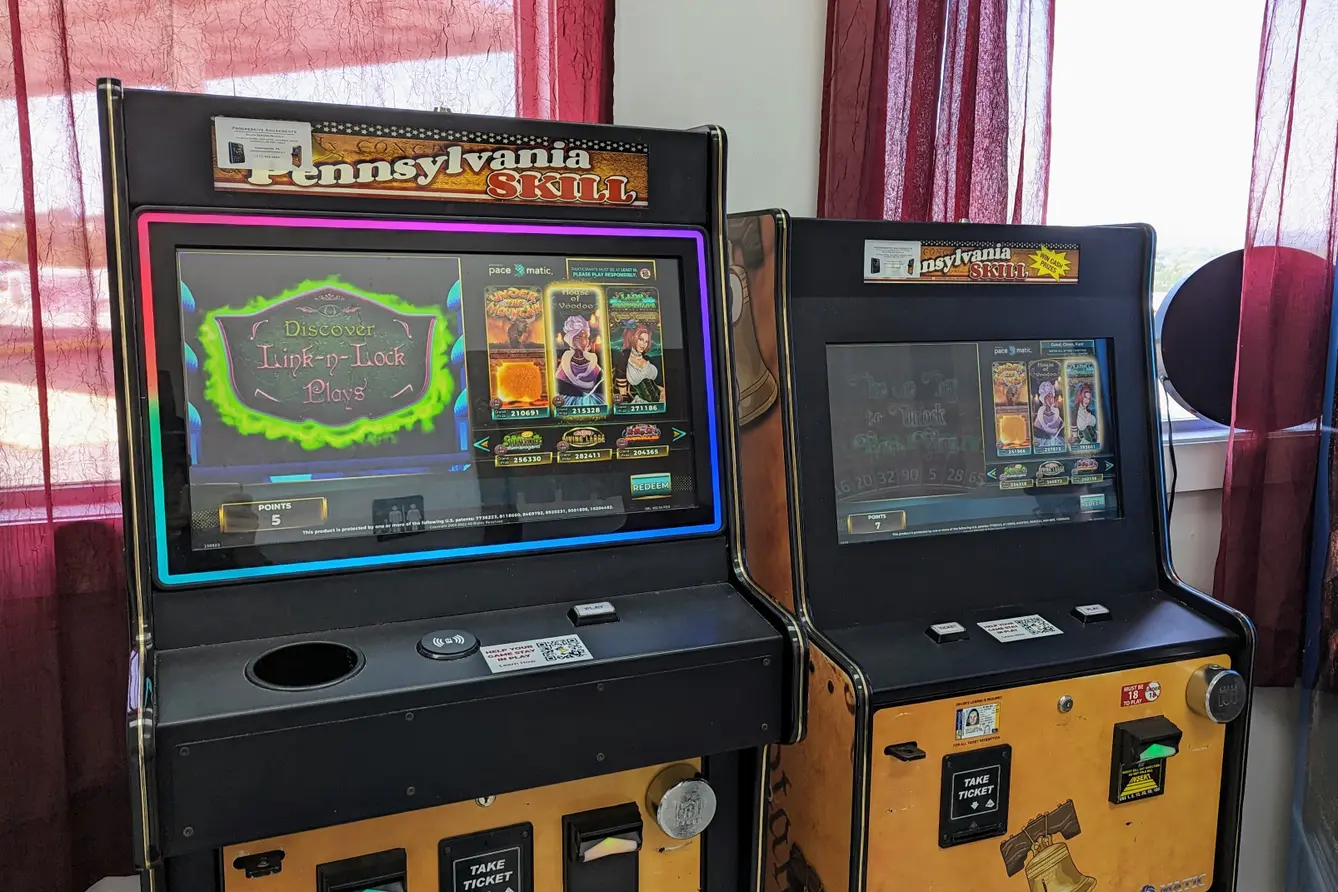
Pennsylvania’s long-running dispute over skill games resurfaced during the governor’s Oct. 7 debate. Incumbent Gov. Josh Shapiro defended his efforts to legalize the video slot-like machines found in bars, gas stations and corner stores as well as his proposal to tax them at a rate of 52%.
“I’ve been consistent on this issue for the last four years,” Shapiro said. “I would drive those dollars into the general fund and then use a core chunk of that to fund mass transit across Pennsylvania.”
His opponent, Republican state treasurer Stacy Garrity, agreed that the games should be legalized, but said she would only tax them at $500 per machine per month.
Capped at 50,000 games, Garrity said her tax would generate about $300 million in revenue to the state. For comparison, Shapiro’s plan would generate an estimated $2 billion.
The debate appeared to be the first time Garrity publicly unveiled her $500 flat rate tax plan, but the proposal is not new. Georgia-based Pace-O-Matic, one of the nation’s leading developers and operators of legal skill games, lobbied the Pennsylvania legislature for the same plan over the summer.
Since the debate, Garrity appears to have made the proposal a campaign focus. On Oct. 17, she led a rally to bring back the games in the Pittsburgh suburb of Green Tree, where supporters held campaign placards that read “Shapiro took your skill games, Stacy Garrity will bring them back.” A similar event was scheduled for Allentown, and Garrity has repeated her call for a flat rate during media appearances. Lawn signs have also appeared highlighting the issue.
Garrity also sent a letter to shop owners asking them to support her efforts to bring the games back and recorded a video with the same message.
“If I am elected Governor, I will call the legislature back to Harrisburg to take immediate action on Skill Games and ensure that they aren’t taxed out of existence,” she wrote in the letter.
Garrity has criticized Shapiro’s proposed tax rate for months, saying it would “shut down small businesses, pharmacies, taverns and [Veterans of Foreign Wars halls], while generating little real revenue.” However, as Election Day nears, her messaging appears to have shifted.
Craig Holman, a government affairs lobbyist for Public Citizen, a nonprofit accountability watchdog organization, said the timeline makes it appear as a “quid pro quo arrangement.”
“She has come out clearly endorsing the industry’s plan,” he said. “This is just a classic example of a candidate just bending over to the moneyed interests and hoping that money will buy the election.”
In an interview with WHYY News, Garrity denied that her position has anything to do with the donations.
“When the Supreme Court made the ruling on skill games, I came right out and said that I’m on the side of small businesses, VFWs, American Legions and fire halls,” she said. “They are the backbone of our communities. They give so much back to the community.”
Since the debate, skill games have been removed from locations across Pennsylvania after the state Supreme Court ruled they are illegal slot machines unless and until lawmakers in Harrisburg pass legislation permitting their use.


